
Qatar introduced an updated regulatory framework for recruitment offices in October 2026. The changes address how these offices ar...
Read more
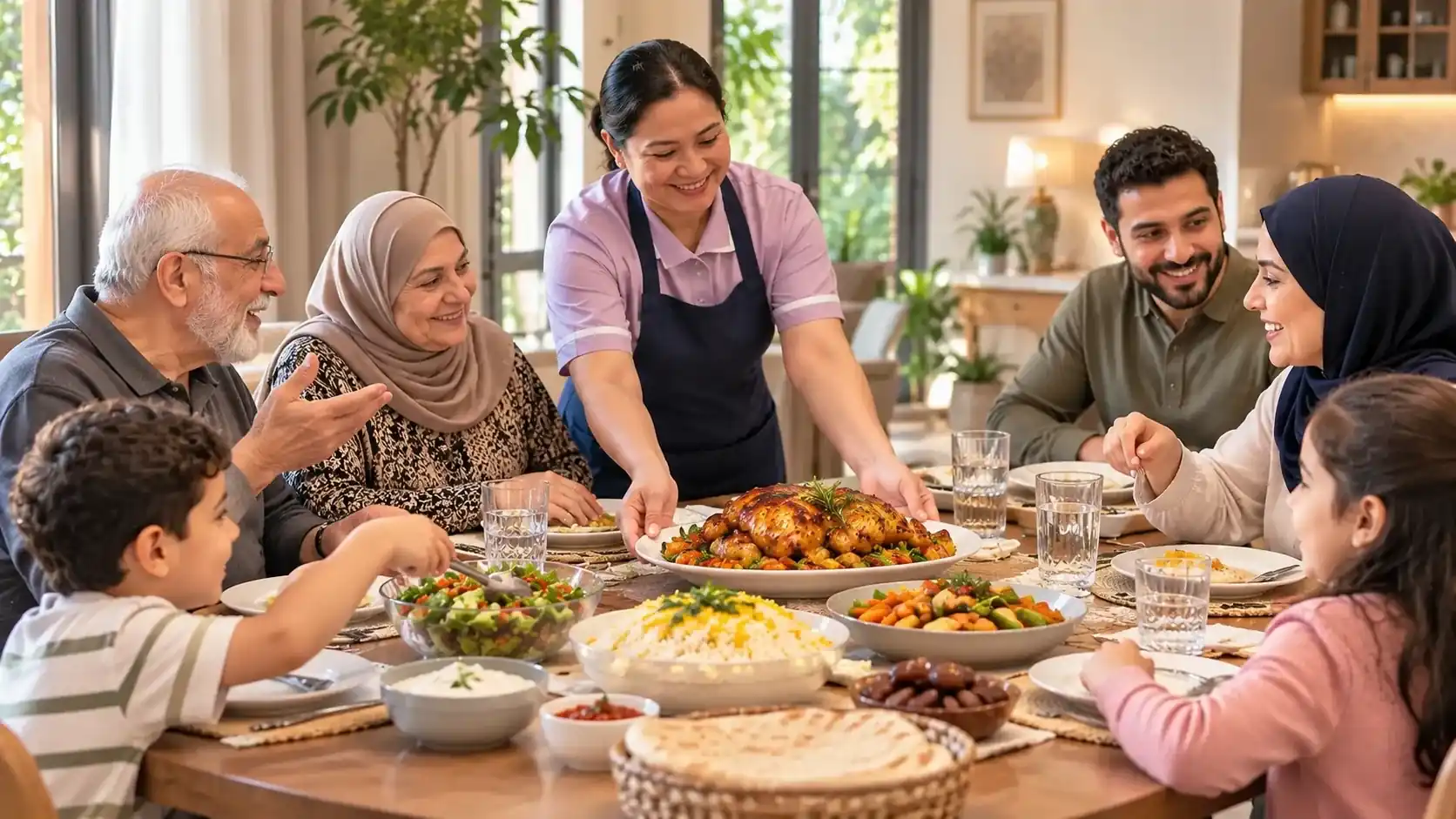
Planning meals for a family with grandparents, parents, and children can be challenging. Everyone shares the same home, but their schedules and food preferences may differ.
The solution is not to prepare a separate menu for every person. A flexible weekly meal plan can help everyone enjoy familiar dishes with small changes when needed.
Start with shared main dishes, agree on serving times, and record individual preferences. Then organize shopping and preparation around a simple weekly routine.
A live-in home cook can help carry out this plan. However, the family should decide what works best for its members.
This guide explains how to make family meal planning easier, more practical, and less demanding.
A multigenerational household brings different routines together.
Grandparents may prefer familiar dishes and regular mealtimes. Parents often balance meals with work and other responsibilities. Children may have school schedules and changing food preferences.
However, these differences are personal. Age alone does not determine what someone should eat.
Consider a household where three generations live together.
The grandparents enjoy lunch early. The children return from school later, while their parents arrive home in the evening.
Preparing a completely different meal for each person could create unnecessary kitchen work.
Instead, the family can agree on shared dishes and arrange different serving times.
Here is a simple example:
| Family Members | Possible Preferences | Planning Approach |
|---|---|---|
| Grandparents | Familiar dishes and preferred meal times | Prepare agreed dishes and serve at convenient times |
| Parents | Meals that fit around work schedules | Plan portions and serving arrangements ahead |
| Children | Familiar flavours and school routines | Offer suitable portions and simple side options |
These are examples, not fixed rules for each age group.
A shared meal plan allows small differences.
For example, everyone might enjoy grilled chicken with rice. One person may prefer extra vegetables, while another likes sauce served separately.
The main dish remains the same.
This approach helps families respect personal tastes without preparing several unrelated meals.
The goal is a shared kitchen routine with enough flexibility for everyone.
Families do not need to sit at the table together for every meal.
Work, school, and personal routines can make that difficult.
A practical plan focuses on preparing food efficiently while allowing different serving arrangements.
Start with a meal that most family members enjoy.
Suitable examples may include roasted chicken, vegetable stew, rice dishes, or pasta.
Choose dishes based on your family's actual preferences.
Then decide which parts can be prepared together and which need small changes.
For example, a pasta dish can have one main sauce, with optional toppings served separately.
Instead of cooking several complete meals, plan a few serving periods.
A household might use this arrangement:
| Serving Window | Example Arrangement |
|---|---|
| Early lunch | Serve the agreed meal to family members eating earlier |
| Afternoon | Prepare an appropriate portion for those returning home later |
| Evening | Arrange dinner around the household's usual schedule |
These times are flexible. The family should adjust them as needed.
When working parents need help coordinating meals with other household tasks, support for working parents can also make daily routines easier.
Someone may return home later than expected.
Instead of keeping cooked food on the table for hours, arrange proper storage.
Refrigerate perishable food promptly and follow safe reheating practices.
Some meals may also be better prepared in stages.
For example, vegetables can be washed and prepared earlier, while the final cooking takes place closer to serving time.
A little planning helps maintain meal quality without creating extra work.
Remembering everyone's favourite meals can be difficult, especially in a large household.
A short preference list helps prevent repeated questions and unnecessary changes.
It also gives the person preparing meals clearer instructions.
Ask family members about the details that matter most.
These may include:
Favourite main dishes.
Ingredients they dislike.
Preferred spice levels.
Sauces they want served separately.
Usual meal times.
Foods they avoid for personal reasons.
Keep the questions simple.
There is no need to record every food someone has ever enjoyed.
Suppose the family chooses grilled fish with rice and vegetables.
One person prefers mild seasoning. Another enjoys a stronger sauce.
The cook may prepare the main dish with agreed seasoning and serve the extra sauce separately.
This avoids preparing two completely different meals.
The same approach can work with soups, pasta, rice dishes, and many familiar recipes.
A small table can help organize useful information.
| Preference | Example | Kitchen Arrangement |
|---|---|---|
| Mild flavours | Less spice in the main dish | Serve extra seasoning separately |
| Different side dishes | Rice or vegetables | Prepare agreed side options |
| Ingredient dislikes | No onions in one portion | Check whether a separate portion is practical |
| Different meal times | Early or late dinner | Plan safe preparation and serving |
Update the list when preferences change.
If someone has a food allergy or medically prescribed diet, follow professional instructions. These requirements should not be treated as ordinary preferences.
A domestic cook should not independently create medical diets or change prescribed food restrictions.
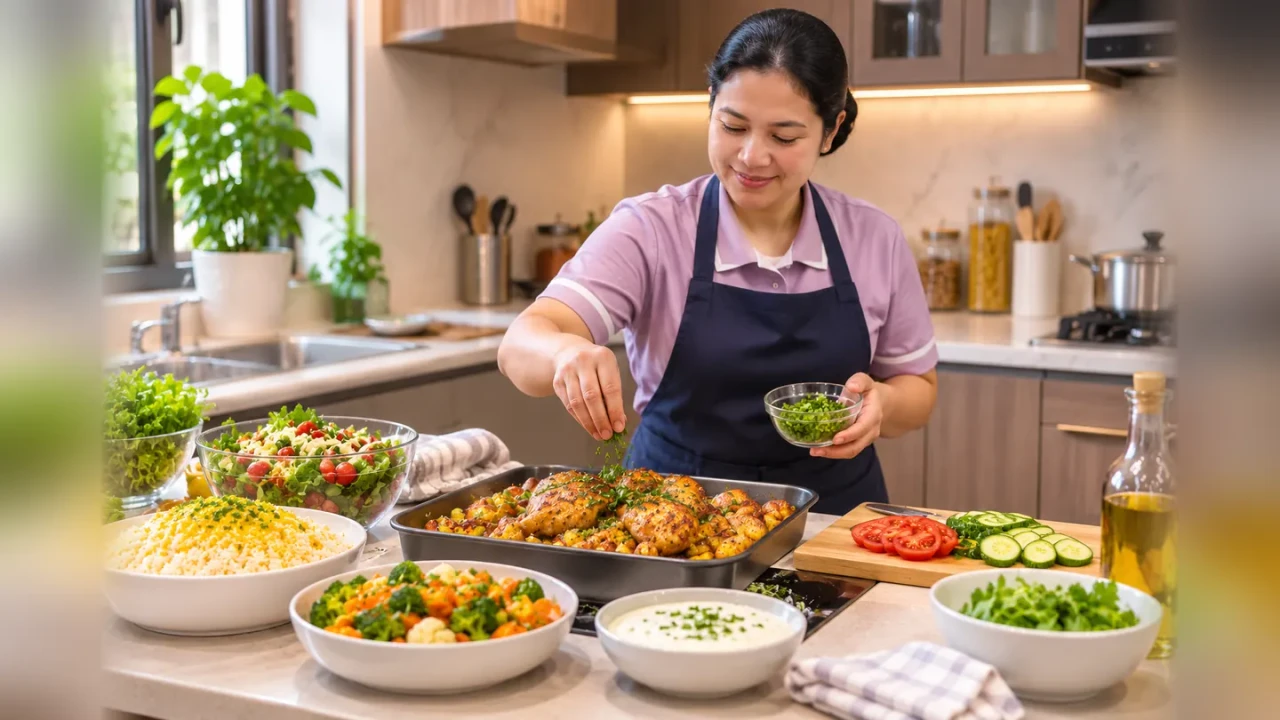
A weekly menu helps families avoid deciding what to cook every day.
It also makes shopping easier and reduces last-minute requests.
However, the plan should guide the household rather than control it.
Ask each family member to suggest a few meals they enjoy.
Look for dishes that several people already like.
Then select a mixture of familiar options for the week.
You do not need seven completely different cooking methods.
For example, rice may appear with different main dishes. Vegetables can also be used in several meals.
This allows the kitchen to work with familiar ingredients.
The following table illustrates how one main meal can serve the family with small adjustments.
| Day | Main Dish | Side Options | Simple Adjustment |
|---|---|---|---|
| Monday | Grilled chicken | Rice and vegetables | Serve sauces separately |
| Tuesday | Vegetable and lentil stew | Bread or rice | Adjust seasoning in individual portions |
| Wednesday | Baked fish | Potatoes and salad | Offer different side dishes |
| Thursday | Pasta with tomato sauce | Vegetables and cheese | Keep optional toppings separate |
| Friday | Family rice dish | Salad and yoghurt | Adjust portions and side options |
| Saturday | Roasted chicken and vegetables | Rice or bread | Offer agreed vegetable choices |
| Sunday | Homemade soup with sandwiches | Fruit or salad | Allow different sandwich fillings |
This is an example menu, not a nutritional prescription.
Families should replace any dish with meals that suit their tastes, needs, and household budget.
A relative may visit unexpectedly. Someone might request a familiar favourite instead.
The family can exchange two days or adjust a side dish without replacing the whole plan.
One day could also be reserved for using suitable ingredients already available at home.
The important thing is to avoid making every change a major kitchen task.
A useful weekly menu saves decisions while leaving room for normal family life.
A good meal plan should lead to a practical shopping list.
Without this connection, families may buy ingredients they do not need or forget important items.
The weekly menu offers a starting point.
Once the dishes are selected, list the required ingredients.
Group them into simple categories:
Vegetables and fruit.
Meat, fish, and other protein foods.
Rice, pasta, bread, and grains.
Dairy products and alternatives.
Herbs, spices, and sauces.
Everyday kitchen supplies.
Check what is already available before adding an item.
This reduces unnecessary shopping and helps the family use its existing supplies.
A quick kitchen inventory can reveal ingredients suitable for planned meals.
For example, the family may already have rice, lentils, or frozen vegetables.
These items can be included in the weekly menu.
Keep a small list of items that need replacing.
The family should also agree on which ingredients can be substituted and which require approval.
This avoids unwanted changes to familiar recipes.
Kitchen organization should always include safe food handling.
Keep raw ingredients separate from ready-to-eat foods. Clean preparation surfaces and utensils between tasks.
Store perishable ingredients appropriately and follow safe cooking, cooling, and reheating practices.
These habits matter in every household, regardless of family size.
Relevant domestic worker training can support awareness of cooking and kitchen hygiene. However, each worker's practical knowledge should still be confirmed.
Clear household instructions remain important, especially when someone is learning to use unfamiliar equipment.
A shared menu works best when it is practical.
The family should not expect endless changes to every meal.
Instead, identify the adjustments that can be made without starting another recipe.
Imagine the family chooses grilled chicken for lunch.
The cook prepares the chicken, rice, and vegetables.
One person prefers a mild sauce. Another enjoys salad, while someone else chooses cooked vegetables.
These differences can be arranged around the same main meal.
There is no need to prepare three separate lunches.
The family can discuss these options before cooking begins.
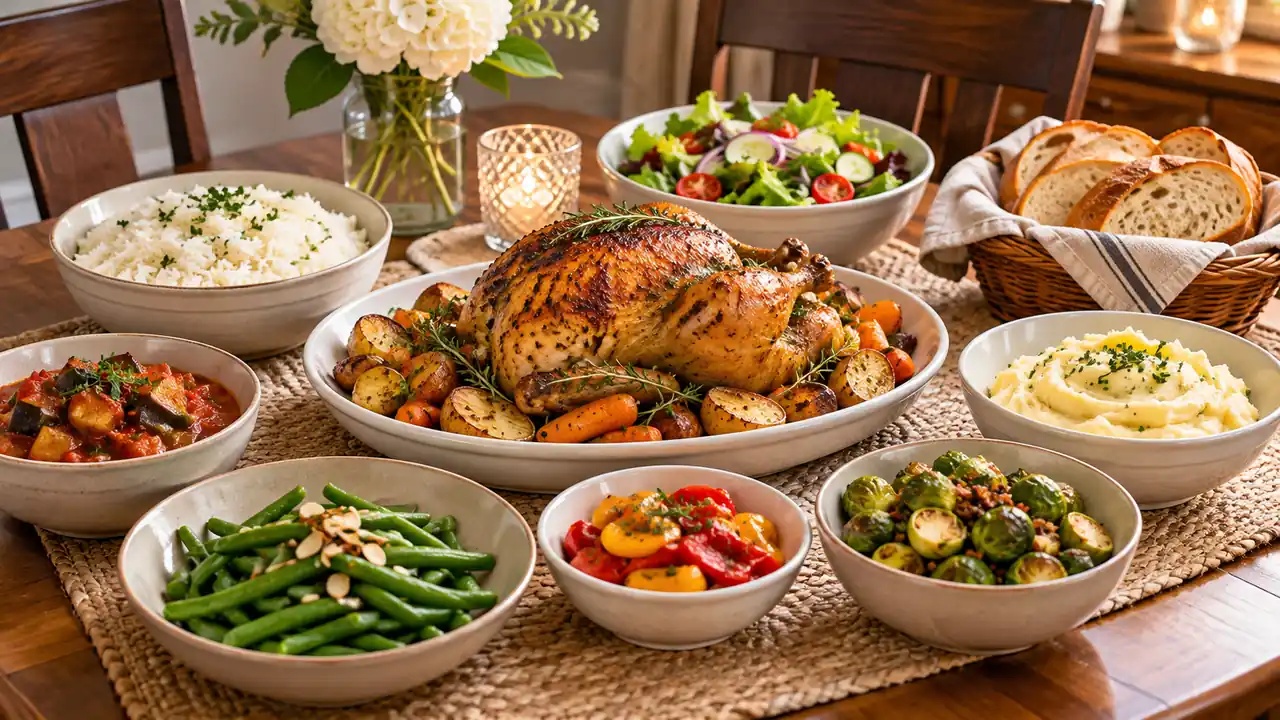
Suppose the family plans soup, sandwiches, and a simple salad.
The soup can be prepared according to the household's usual routine.
Sandwich fillings can be organized separately, allowing family members to choose their preferred combinations.
Food should be stored safely between serving periods.
This arrangement can be easier than preparing several unrelated dinners.
Sometimes a small adjustment is not enough.
A family member may have a genuine food allergy, a prescribed dietary restriction, or another requirement that cannot be handled through a simple variation.
In these cases, the family should plan the necessary arrangements in advance.
Special medical requirements must follow qualified professional guidance.
A separate dish may also be appropriate when the family has agreed to it and sufficient preparation time is available.
Flexibility means choosing sensible adjustments, not expecting the cook to satisfy unlimited requests.
Even a well-planned menu can become difficult if the workload is unrealistic.
Cooking takes time. So do preparation, serving, cleaning, and organizing ingredients.
A large household should consider all these activities when planning meals.
Some tasks can be completed earlier.
Vegetables may be washed, ingredients measured, and kitchen equipment prepared before cooking starts.
Other tasks require attention closer to mealtime.
Dividing the work helps prevent everything from happening at once.
For example, a cook may prepare ingredients for dinner while the kitchen is quiet, then complete the meal at the agreed time.
Not every request has equal importance.
A practical priority order might be:
Prepare the agreed main meals.
Complete necessary food handling and kitchen cleaning.
Organize supplies for the next day.
Handle optional dishes when time allows.
This gives the cook a clear direction when several requests arrive together.
Where cooking is combined with wider household support services, the family should consider the full workload rather than viewing kitchen duties separately.
Family gatherings often involve extra cooking.
If guests are expected, discuss the menu and preparation time in advance.
Some dishes can be simplified. Others may require help or a different serving arrangement.
Avoid adding several complex requests at the last minute.
The cook's agreed duties, working hours, and rest arrangements should remain reasonable.
Good planning makes hosting easier for the family and the person preparing the food.
A live-in home cook can help a family carry out its agreed meal plan.
Her role may include preparing meals, organizing ingredients, and keeping the kitchen work area clean.
However, the exact duties depend on her experience and the employment arrangement.
Once the family has chosen its meals, the cook needs practical instructions.
Explain the usual serving times, favourite dishes, and approved adjustments.
A short written menu can reduce repeated questions.
The family should also decide who can approve changes when ingredients are missing or plans change.
This makes daily communication easier.
Not every domestic worker has the same cooking skills.
Some have prepared complete family meals independently. Others may have mainly assisted with kitchen tasks.
Families should discuss the actual cooking responsibilities required before choosing a home cook.
They can also compare available candidates and ask about experience with relevant dishes and household routines.
The aim is to find a suitable match, not assume that every candidate can prepare every cuisine.
A home cook is part of the household's agreed long-term domestic support arrangement, not an on-demand hourly cooking service.
No. Many households can prepare one shared main dish with suitable side options or small changes.
The best arrangement depends on each person's preferences and any genuine dietary requirements.
Age alone should not determine the menu.
Plan the main dish and identify appropriate serving periods.
Prepare ingredients in advance when practical, and follow safe food storage and reheating practices.
Meals that can be served in stages may be easier to manage than dishes requiring immediate serving.
Share the usual mealtimes, favourite dishes, ingredient preferences, and agreed kitchen responsibilities.
Explain any changes that require family approval.
If special medical dietary requirements exist, provide the relevant professional instructions rather than expecting the cook to make clinical decisions.
A qualified healthcare professional should provide guidance on medically required diets.
The family should communicate those instructions and coordinate appropriate arrangements.
A domestic cook may help prepare agreed meals within her abilities, but she should not prescribe diets or independently change medical restrictions.
A flexible meal plan can make daily cooking easier for a family of three generations.
Start with shared dishes, agree on serving times, and keep individual preferences clear.
For families seeking a maid agency in Doha, Middle East Manpower can help discuss domestic cooking requirements and review relevant candidate experience.
Discuss your kitchen needs with our team to explore suitable home cook options.
A well-organized kitchen begins with clear expectations and a realistic family routine.
Qatar introduced an updated regulatory framework for recruitment offices in October 2026. The changes address how these offices ar...
Read more
The first weeks of school can be more demanding than families expect. The school year may have started, but the household routine...
Read more
For many working parents in Qatar, the most demanding part of the day does not always happen at the office. It often begins before...
Read moreQuick links to the categories most families search for when hiring through Middle East Manpower.